
Ceiling fan controls: chains, remotes, and walls
Pull chains, remotes, wall controls, and dimmers.
Disclosure: We may earn a commission if you buy through links on this page. It does not change what we recommend. Affiliate Disclosure
Pull chains and the reversing switch
ENERGY STAR says standard controls are a pull chain on the housing (two if there is a light) and a motor reversing switch on the switch housing.
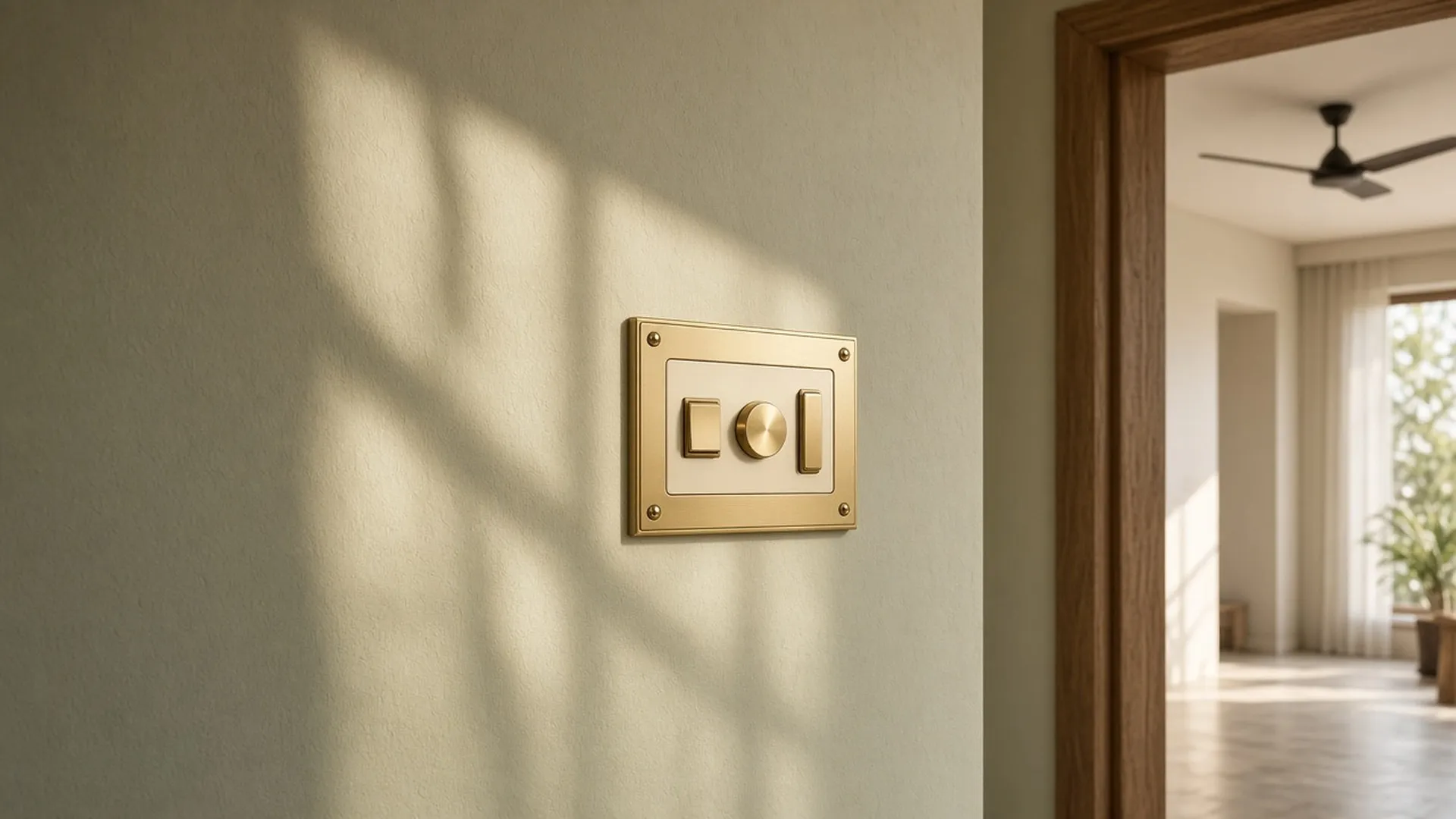
Remotes and wall controls
ENERGY STAR says many makers offer remote or wall controls. For a fan with a light, it says to choose one that runs each function separately and gives 3 or 4 distinct speeds.
Dimmers
ENERGY STAR says a conventional dimmer switch used to run the fan could make the motor hum.
Matching a control
ENERGY STAR says to match controls to the fan: maximum amps, number of speeds, total lamp wattage, and brand. Some remotes only work with specific brands.
Installing a wall control
A wall control is wiring work. Hire a licensed electrician. One maker's manual says its fan must be installed with an isolating wall control or switch.
Sources: ENERGY STAR, Ceiling Fan Accessories and Purchasing Choices; Hunter Fan, Warrant Ceiling Fan Installation Manual (PDF). Brand names belong to their owners. We are not affiliated with or endorsed by them.
FAQ
General information only. Ceiling fans and light fixtures are electrical equipment. Hire a licensed electrician for any installation, wiring, electrical box, switch, or light kit work, and follow the fan maker's manual and your local electrical code. Before cleaning, changing a bulb, or checking a fan, turn it off and let the blades stop and the bulbs cool; turn off power at the circuit breaker before any work near the fan's wiring. Use a stable ladder, and if you are not comfortable working overhead, call a pro. Never use a bulb above the maximum wattage marked on the fixture. If a fan or light flickers, buzzes, smells hot, or trips a breaker, stop using it and call a licensed electrician.
Next: fan direction by season
Summer and winter settings.
